Why Clotheslines Became Part of the Household View
Why clotheslines became part of the household view: see how outdoor drying shaped daily routines and choose a clothesline setup that fits your home.
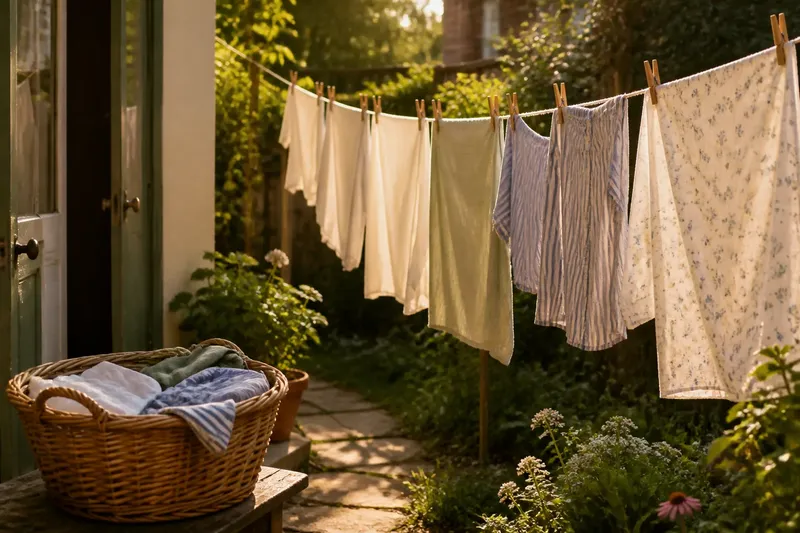
Why clotheslines became part of the household view is a story about where ordinary chores happened. A basket carried through a back door, damp fabric pegged along a line, and shirts moving in the breeze made laundry visible as part of the day rather than hidden in a utility room.
Outdoor drying grew from a simple domestic need: washed clothes had to dry, and open air offered a place to do it. The line was not just equipment. It connected washing to weather, household space, and the rhythm of work at home. Its place in daily life changed as homes, appliances, and schedules changed, but the basic task remained familiar.
Why did the clothesline become part of the household view?
Before electric dryers became ordinary household appliances, drying clothes meant finding room for them to air. A yard, courtyard, roof terrace, or shared outdoor area could serve as a practical drying space. A fixed line or portable rack gave wet laundry a predictable place, while clothespins kept garments from slipping away.
That setup made the work easy to see. Washing might be done near a kitchen, washroom, or outdoor tap, then carried to the line in a basket. Someone could hang sheets between other chores, check the sky while doing yard work, or bring clothes in before evening damp settled. Laundry became one visible part of household maintenance, alongside tending a garden or sweeping a stoop.
Clotheslines also reflected the limits and habits of a home. A family with a yard might use long, permanent lines; a renter or resident of a crowded neighborhood might rely on a folding rack or shared drying area. The line’s position often followed available space, not a grand design. Like a kitchen clock, it quietly registered the day’s routine: wash, hang, check, collect.
How did changing routines alter outdoor drying?
As washing machines and electric dryers entered more homes, laundry could move indoors and take less account of the weather. That changed the schedule. A dryer offered a contained option when rain threatened or when household members had little time to wait for a suitable stretch of air. The outdoor line did not vanish, but it became one choice among several.
Housing patterns also mattered. Smaller yards, apartment living, shared courtyards, and rules about outdoor fixtures affected where clothes could hang. In some households, a line remained a regular feature; in others, a balcony rack or indoor airer fit better. The shift was not simply from old to new. It was a change in how each home balanced space, convenience, weather, and the labor of laundry.
The household view changed, too. A line could signal that washing was underway, turn a yard into a working space, and give family members a clear place to collect dry items. When laundry moved indoors, the task became less visible from the street or garden, even though sorting, folding, and putting away still took time.
Which drying setup suits your household?
Choose by looking at where laundry can dry comfortably and how often you want to manage it. The best fit may combine outdoor and indoor options rather than rely on one arrangement.
- Permanent outdoor line: Suits a household with a private yard and a regular laundry routine. It offers a dedicated place to hang larger items, but it needs an appropriate location and ongoing attention to weather.
- Retractable line: Suits a smaller yard or patio where a fixed line would take up space when unused. It can be drawn out for a load and put away afterward, provided the mounting points and local rules allow it.
- Folding outdoor rack: Suits renters, balconies, or households that want a movable option. It can be shifted to a sunny or sheltered spot and stored indoors, though its capacity is limited by its frame.
- Indoor airer: Suits rainy spells, homes without outdoor access, or delicate items that need a sheltered place. It keeps laundry close at hand, but needs a well-ventilated location where hanging clothes will not block a walkway.
For an invented example, say a renter has a narrow balcony, a folding rack, and no permission to attach fixtures. They could use the rack for smaller loads and reserve a ventilated indoor airer for wet-weather days; the observable result would be a drying routine that does not depend on altering the building.
What should you check before choosing a clothesline?
Can I dry clothes outdoors if I have no yard?
A balcony rack, shared courtyard, or portable line may work if the space is available for that use. Check building rules and the rack’s instructions before placing it where it could obstruct access or fall.
Is a clothesline useful if I own a dryer?
Yes, if you want an option for suitable weather or garments you prefer to air-dry. You can use the dryer for a time-sensitive load and hang other items outside without changing the whole laundry routine.
How do I choose between a retractable line and a folding rack?
A retractable line keeps the ground area clear but depends on suitable mounting points. A folding rack needs no fixed installation and can move, but it occupies floor or balcony space while in use.
What makes an outdoor drying spot practical?
Look for a place with room to hang items without crowding, a route that is easy to reach with a basket, and a way to bring laundry in when conditions change. For fixtures and shared spaces, follow manufacturer instructions and local or building rules.
How can you make outdoor drying fit the day?
Keep the routine modest. Put clothespins in a small container near the door, use a basket that is easy to carry, and hang frequently used items where they are simple to reach. Grouping similar pieces can make collecting and folding less scattered, while leaving enough space between garments helps air move around them.
Check the weather before hanging a load, but avoid turning the forecast into a complicated schedule. If the day looks uncertain, use a smaller load or choose an indoor rack instead. Bring clothes in when they are dry or conditions change, then return the pins and basket to their usual place so the next wash does not begin with a search.
Why clotheslines became part of the household view is also a reminder that household habits take shape around available space and time. If outdoor drying suits your home, give it a convenient place in the routine; if it does not, an airer or dryer can serve the same everyday need. The useful choice is the one that lets laundry move from washer to dry, folded clothes without making the rest of the day harder.